
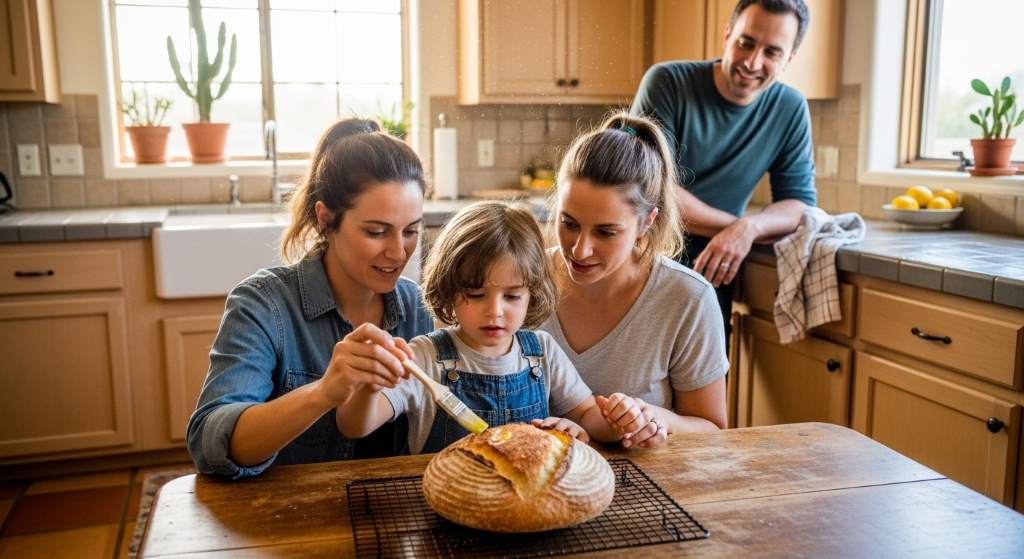
Many home bakers in Phoenix feel frustrated when fresh bread looks perfect in the oven but collapses while cooling. According to home baking surveys, nearly 35% of beginner bakers struggle with loaf structure problems during seasonal temperature changes. In Arizona, dry heat and indoor air conditioning often create conditions that affect dough strength and moisture balance. Families searching for solutions to homemade bread sinking in the center usually discover that climate plays a bigger role than expected. Fortunately, local bakers can fix this issue with simple techniques that match Phoenix weather patterns and common kitchen conditions.
Understanding Why Bread Drops While Cooling in Phoenix
Phoenix homes experience very low humidity for most of the year. As a result, bread dough often loses moisture faster than dough in cooler regions. Many families also use powerful air conditioning systems that dry indoor air even more. Therefore, bread can rise too quickly in the oven and lose structure during cooling.
Temperature swings inside kitchens also affect dough stability. During summer, countertop temperatures may rise above ideal fermentation levels. Consequently, yeast becomes overactive and weakens the gluten structure before baking finishes. Some bakers compare these balancing challenges to recipes like tonjiru recipe meal pairing methods where ingredient harmony matters for the final result.
Families often assume underbaking causes every collapsed loaf. However, bread can also sink because the dough contains too much water for Phoenix conditions. Even small ingredient measurement errors create major texture changes in dry climates. Accurate measuring becomes essential for consistent baking results.

How Dry Desert Air Changes Bread Structure
Dry air removes moisture from dough during proofing and cooling stages. Consequently, the outer crust may harden too quickly while the center remains unstable. Bread then shrinks inward after leaving the oven because steam escapes unevenly. This problem appears more often during summer months in Phoenix neighborhoods.
Local families often notice different baking results between morning and evening. Early mornings usually provide cooler kitchen temperatures and slower fermentation. In contrast, afternoon baking increases the risk of overproofed dough. Therefore, many experienced Phoenix bakers prefer mixing dough before noon.
Flour storage also matters more in Arizona than in humid states. Flour absorbs less natural moisture from the air in desert climates. As a result, dough recipes copied from national websites may require slightly less flour or additional hydration adjustments. Bakers who ignore this detail often struggle with collapsing bread centers.
Signs Your Dough Is Too Weak
- The loaf rises rapidly but sinks after baking.
- The bread feels gummy near the center.
- The crust wrinkles during cooling.
- The loaf caves inward at the top.
- The bread smells yeasty but lacks structure.
Best Mixing Techniques for Phoenix Home Bakers
Strong gluten development helps bread hold its shape after baking. Therefore, many Phoenix families extend kneading time by two or three extra minutes. Proper kneading strengthens the dough and traps gases more evenly. This adjustment becomes especially useful during hot summer days.
Water temperature also influences final loaf stability. Cold water slows yeast activity and helps prevent overproofing in warm kitchens. Many local bakers use water between 68 and 72 degrees Fahrenheit for better consistency. Additionally, cooler dough remains easier to shape and score before baking.
Using bread flour instead of all purpose flour often improves structure. Bread flour contains higher protein levels that support stronger gluten formation. Consequently, loaves maintain height more effectively during cooling. Families baking weekly sandwich bread usually see immediate improvements after this simple ingredient switch.
Why Proofing Time Matters More in Arizona
Overproofing remains one of the leading causes of bread collapse in Phoenix homes. Warm indoor temperatures accelerate yeast activity faster than many recipes predict. Therefore, dough that appears ready may already exceed ideal fermentation levels. Bakers should watch dough size rather than relying only on timer instructions.
Many local families reduce proofing time by 15 to 20 minutes during summer. This strategy helps maintain enough structure for oven spring without weakening the dough walls. Some bakers also serve lighter side dishes inspired by jamaican ackee appetizer recipes during baking days because heavy kitchen activity raises indoor heat even more.
A simple finger test can help determine if dough has proofed correctly. Press the dough gently with one finger and observe the indentation. If the dent springs back slowly, the dough is ready for baking. However, if the indentation stays deep, the dough may already be overproofed.
Common Proofing Mistakes
- Placing dough near sunny windows.
- Using very warm water during mixing.
- Ignoring seasonal temperature changes.
- Proofing dough for the same time year round.
- Covering dough with thick towels in hot kitchens.
Choosing the Right Baking Temperature
Incorrect oven temperature often causes weak bread interiors. Many ovens run hotter or cooler than their display settings. Therefore, Phoenix families benefit from using an oven thermometer for accuracy. Consistent baking temperatures help bread develop stable internal structure.
High heat creates rapid crust formation that traps steam too early. Consequently, the loaf may appear fully baked while the center remains underdeveloped. Lowering the baking temperature by 10 to 15 degrees sometimes produces better cooling stability. This method works particularly well for enriched sandwich breads.
Steam also plays an important role during the first baking minutes. Some local bakers place a small tray of water inside the oven to improve crust flexibility. As a result, bread expands evenly before the crust hardens completely. Better expansion reduces the risk of sinking after cooling.
Cooling Bread Correctly in Dry Climates
Cooling methods affect loaf stability just as much as baking methods. Many families cut bread too soon because fresh bread smells irresistible. However, slicing hot bread releases internal steam before the crumb finishes setting. The loaf then compresses and sinks more easily.
Wire racks allow airflow around the entire loaf during cooling. Consequently, steam escapes evenly without trapping moisture underneath the bread. Some Phoenix bakers place racks away from direct air conditioning vents because strong airflow cools bread too aggressively. Balanced cooling protects crumb structure more effectively.
Covering hot bread with towels may soften the crust excessively in dry climates. Instead, many local bakers cool bread uncovered for at least one hour. Bakers who enjoy experimenting with traditional recipes sometimes compare texture balance to methods used in how to make thalipeeth soft guides where moisture control affects final texture significantly.
Unique Local Tricks Phoenix Families Use
Some Phoenix households place a shallow bowl of water near proofing dough to increase temporary humidity. This uncommon method creates a more stable fermentation environment without special equipment. Consequently, dough develops stronger elasticity and improved oven spring. Many longtime local bakers learned this technique from older family members.
Another useful trick involves refrigerating shaped dough for ten minutes before baking. Cooler dough enters the oven with firmer structure and better scoring control. Therefore, the loaf expands more evenly during baking. Families often use this approach during extremely hot Arizona afternoons.
Several experienced bakers also rotate bread pans halfway through baking. Phoenix ovens sometimes heat unevenly because of constant appliance use during summer. Rotating pans promotes balanced browning and internal cooking. Better heat distribution reduces the chance of weak centers.
Best Ingredients for Stable Homemade Bread
Fresh yeast performs more reliably than old yeast in desert climates. Expired yeast may create inconsistent fermentation that weakens loaf structure. Therefore, Phoenix families often buy smaller yeast packets instead of large bulk containers. Fresh ingredients improve predictability throughout the baking process.
Salt also supports dough strength more than many beginners realize. Proper salt levels help tighten gluten and regulate yeast activity. Consequently, bread rises at a steadier pace and cools more successfully. Reducing salt too much may lead to weak and unstable loaves.
Some families add small amounts of potato flakes or milk powder to improve softness and moisture retention. These ingredients help bread remain stable even in dry indoor air. Additionally, enriched doughs tend to resist shrinking during cooling. Bakers often experiment gradually to find ideal texture balance.
How Families Prevent Bread Problems Year Round
Seasonal adjustments make the biggest difference for consistent baking success. During winter, proofing may require slightly longer times because indoor temperatures decrease. In summer, shorter proofing and cooler water become more important. Flexible baking habits produce better results than rigid recipe timing.
Keeping a simple baking notebook helps families track successful methods. Many local bakers record flour brands, kitchen temperatures, and proofing times after each batch. Consequently, they identify patterns that improve future bread quality. Small observations often lead to major improvements over time.
Practicing patience also helps new bakers develop better instincts. Bread responds differently based on weather, ingredients, and kitchen conditions. Therefore, small recipe adjustments often matter more than expensive equipment. Families who continue experimenting usually achieve reliable results within a few baking sessions.
Conclusion
Families in Phoenix, AZ can successfully stop bread from dropping while cooling by adjusting for dry air, warm kitchens, and fast fermentation. Simple changes like cooler water, shorter proofing times, and careful cooling methods create stronger and more stable loaves. Additionally, paying attention to local climate conditions helps bakers avoid the most common structure problems. Even techniques similar to texture balancing found in how to make thalipeeth soft cooking methods can improve bread consistency. Start testing these practical strategies today and enjoy homemade bread that stays tall, soft, and delicious after every bake.
FAQs
Why does bread collapse after baking in Phoenix?
Hot temperatures and dry air often cause overproofing and weak dough structure.
Should I use less yeast in Arizona?
Yes, slightly reducing yeast can help control fast fermentation in warm kitchens.
Can air conditioning affect homemade bread?
Yes, strong indoor air conditioning removes moisture and changes proofing conditions.
What flour works best for stable sandwich bread?
Bread flour usually provides stronger gluten support than all purpose flour.
How long should bread cool before slicing?
Most homemade bread should cool for at least one hour before cutting.