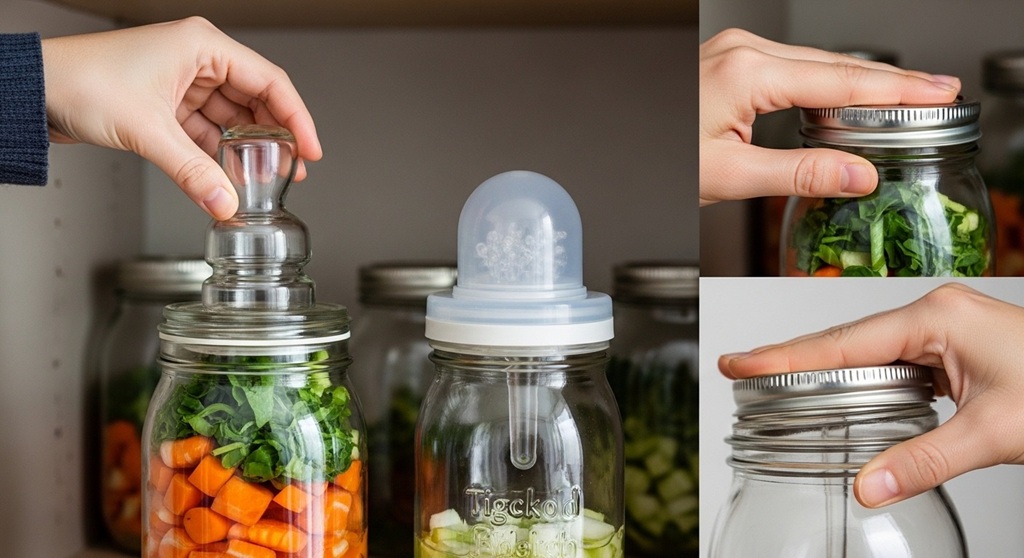

Many people want better digestion, stronger immunity, and healthier eating habits without expensive supplements. Fermented vegetables offer all three. Yet beginners often avoid fermentation because they worry about mold, spoilage, or doing something unsafe.
This hesitation is understandable. Fermentation sounds technical. But safe vegetable fermentation is simple when you follow the correct salt ratios, hygiene steps, and storage conditions.
This guide explains exactly how fermentation works, what tools you need, how to avoid mistakes, and how to create probiotic-rich vegetables at home safely and consistently.
What Is Vegetable Fermentation and Why Is It Good for Gut Health?
Snippet Answer: Vegetable fermentation is a natural process where beneficial bacteria convert sugars into lactic acid, preserving food and creating probiotics that support digestion, immunity, and nutrient absorption. When done with proper salt ratios and clean tools, fermentation is safe, affordable, and beginner-friendly at home.
Answer Block: Vegetable fermentation uses salt and naturally present bacteria to preserve vegetables through lactic acid production. This process prevents harmful microbes from growing while increasing probiotic content. The result is safer food with improved digestion benefits and longer shelf life without artificial preservatives.
Lactic acid fermentation happens when beneficial bacteria consume vegetable sugars and release acids. These acids lower pH levels and create an environment where harmful bacteria cannot survive.
This process produces probiotics that help balance gut microbiota. A balanced microbiome improves digestion efficiency, reduces bloating, and supports immune function.
Fermentation also increases vitamin availability. For example, fermented cabbage contains higher levels of vitamin C and B vitamins compared to raw cabbage.
Another advantage is improved mineral absorption. Fermentation reduces phytic acid, allowing the body to absorb nutrients like iron and zinc more effectively.
Unlike vinegar pickling, natural fermentation creates live beneficial bacteria instead of only preserving flavor.
- Supports digestive enzyme activity
- Improves immune response
- Enhances vitamin availability
- Extends shelf life naturally
- Reduces food waste

What Equipment Do You Need to Ferment Vegetables Safely at Home?
Answer Block: Safe vegetable fermentation requires clean jars, non-iodized salt, filtered water, fresh vegetables, and optional fermentation weights or airlock lids. These tools help maintain anaerobic conditions that allow beneficial bacteria to grow while preventing contamination and mold formation.
You do not need specialized tools to begin fermentation. Basic kitchen equipment works if used correctly and kept clean.
Glass jars are preferred because they do not react with acids produced during fermentation. Avoid plastic containers unless labeled food-safe and fermentation-compatible.
Non-iodized salt is essential. Iodine and anti-caking agents may slow bacterial activity. Sea salt or pickling salt works best.
Filtered water prevents chlorine from interfering with fermentation bacteria.
| Item | Purpose | Recommended Option |
|---|---|---|
| Glass Jar | Fermentation container | Wide-mouth mason jar |
| Salt | Controls harmful bacteria | Sea salt or pickling salt |
| Water | Creates brine solution | Filtered water |
| Weight | Keeps vegetables submerged | Glass fermentation weight |
| Lid | Limits oxygen exposure | Loose lid or airlock lid |
Optional airlock lids release gas automatically during fermentation. They reduce mold risk but are not required.
A clean kitchen environment matters more than expensive tools.
Which Vegetables Are Best for Beginners to Ferment?
Answer Block: The easiest vegetables for beginners include cabbage, carrots, cucumbers, radishes, green beans, and beets because they ferment reliably, resist spoilage, and develop flavor quickly. These vegetables contain natural sugars that support stable lactic acid fermentation with minimal monitoring.
Cabbage is the most beginner-friendly fermentation vegetable. It naturally produces enough moisture to form its own brine.
Carrots remain crisp after fermentation and rarely spoil when submerged properly.
Cucumbers produce classic fermented pickles but require careful monitoring because they soften faster than other vegetables.
Radishes ferment quickly and develop a mild tangy flavor.
Green beans maintain texture well and absorb spices easily.
Beets ferment slowly but create nutrient-dense probiotic brine.
Start with one vegetable instead of mixing several types initially. This helps you observe fermentation progress clearly.
- Cabbage (best first project)
- Carrots
- Cucumbers
- Radishes
- Green beans
- Beets
Leafy vegetables ferment faster but spoil more easily. Use them after gaining experience.
How Much Salt Should You Use for Safe Fermentation?
Answer Block: A safe fermentation salt ratio is 2% by vegetable weight or about one tablespoon of salt per liter of water for brine fermentation. This concentration prevents harmful bacteria growth while supporting beneficial lactic acid bacteria activity.
Salt controls microbial balance during fermentation. Too little salt allows harmful microbes to grow. Too much salt slows fermentation.
Dry fermentation methods like sauerkraut require weighing vegetables before adding salt.
Brine fermentation methods require dissolving salt in water first.
Standard safe ratios include:
- 2% salt for cabbage fermentation
- 3% salt for cucumbers
- 2.5% salt for mixed vegetables
Kitchen scales improve consistency and safety. Measuring by weight is more accurate than measuring by spoon.
Correct salt levels also improve texture. Vegetables stay crisp instead of becoming soft.
How Do You Ferment Vegetables Step by Step at Home?
Answer Block: To ferment vegetables safely, wash produce, cut evenly, add correct salt ratio, submerge completely in brine, seal loosely, and store at room temperature for 3–10 days. Proper submersion and monitoring ensure beneficial bacteria grow while preventing mold formation.
Follow this simple process for consistent fermentation results.
- Wash vegetables thoroughly
- Cut into uniform pieces
- Add salt or prepare brine
- Pack tightly into jars
- Ensure vegetables stay submerged
- Close lid loosely
- Store at room temperature
Bubbles usually appear within two days. This indicates active fermentation.
Taste vegetables after three days. Continue fermenting if stronger flavor is preferred.
Once fermentation reaches the desired taste, refrigerate jars to slow bacterial activity.
Cold storage preserves flavor and texture for several months.

How Can You Tell If Fermented Vegetables Are Safe to Eat?
Answer Block: Safe fermented vegetables smell sour but clean, remain submerged under brine, and show no fuzzy mold or rotten odor. White surface yeast is harmless, but black, green, or pink mold indicates contamination and requires discarding the batch immediately.
Healthy fermentation produces a mild sour smell similar to yogurt or pickles.
Cloudy brine is normal. Gas bubbles are expected.
Signs of safe fermentation include:
- Pleasant sour aroma
- Firm vegetable texture
- No colored mold growth
- Vegetables fully submerged
Signs of unsafe fermentation include:
- Fuzzy mold
- Rotten smell
- Pink slime
- Soft or mushy texture
Discard unsafe batches immediately. Do not taste questionable fermentations.
How Long Should Vegetables Ferment Before Eating?
Answer Block: Most vegetables ferment safely within 3 to 10 days at room temperature depending on temperature and vegetable type. Warmer environments speed fermentation, while cooler environments slow bacterial activity and extend the fermentation timeline.
Temperature strongly influences fermentation speed.
Typical fermentation timelines:
- Cabbage: 5–7 days
- Carrots: 4–6 days
- Cucumbers: 3–5 days
- Beets: 7–10 days
Taste vegetables daily after day three. Flavor develops gradually.
Move jars to refrigeration once the desired sourness is reached.
Longer fermentation increases probiotic levels but also intensifies acidity.
What Are the Most Common Fermentation Mistakes Beginners Make?
Answer Block: Beginners often use too little salt, expose vegetables to air, use chlorinated water, or store jars in unstable temperatures. These mistakes allow harmful microbes to grow or slow fermentation, increasing spoilage risk and reducing probiotic effectiveness.
Exposure to oxygen is the most common problem. Always keep vegetables submerged.
Using iodized salt reduces fermentation success rates.
Temperature fluctuations slow beneficial bacteria growth.
Dirty equipment introduces unwanted microorganisms.
Avoid these errors for consistent results:
- Never reduce salt ratio
- Always submerge vegetables
- Use filtered water
- Keep jars at stable room temperature
- Clean jars before use
Small adjustments greatly improve fermentation reliability.
Conclusion: How to Start Fermenting Vegetables Safely Today
Vegetable fermentation is one of the simplest ways to improve gut health naturally without expensive supplements or complicated tools. With the right salt ratio, clean containers, and proper storage conditions, anyone can produce safe probiotic-rich foods at home.
Start with cabbage or carrots for your first batch. Measure salt carefully. Keep vegetables submerged. Monitor daily progress. Refrigerate when the flavor becomes balanced and tangy.
Consistency matters more than perfection. Each batch improves your confidence and technique.
Begin with one jar this week and build a routine. Within days, you will have nutrient-dense fermented vegetables supporting digestion, immunity, and long-term health.
Start your first fermentation today and make probiotic foods part of your daily meals.
Frequently Asked Questions (FAQs)
Is homemade vegetable fermentation safe?
Yes. Homemade vegetable fermentation is safe when vegetables remain submerged in correct salt brine and stored at stable room temperature. Lactic acid bacteria prevent harmful microbes from growing, making fermentation a reliable preservation method used worldwide for centuries.
Do fermented vegetables need refrigeration?
Fermented vegetables do not need refrigeration during active fermentation but should be refrigerated after reaching the desired taste. Cold storage slows bacterial activity and preserves flavor, texture, and probiotic quality for longer periods.
Can you ferment vegetables without special equipment?
Yes. A clean glass jar, non-iodized salt, filtered water, and fresh vegetables are enough for safe fermentation. Optional tools like fermentation weights and airlock lids improve consistency but are not required for beginners.
Why are my fermented vegetables soft?
Soft vegetables usually result from low salt concentration, high fermentation temperature, or oxygen exposure. Maintaining proper salt ratios and keeping vegetables fully submerged helps preserve firmness during fermentation.
Is white film on fermented vegetables dangerous?
White film is typically kahm yeast, which is harmless but may affect taste. Remove it carefully and ensure vegetables remain submerged. Discard the batch only if colored mold appears.
How often should I release gas during fermentation?
If using standard lids, release gas once daily to prevent pressure buildup. Airlock lids release gas automatically and do not require manual venting during fermentation.
Can fermented vegetables improve digestion quickly?
Fermented vegetables support digestion by introducing beneficial bacteria into the gut. Some people notice reduced bloating within days, while long-term microbiome improvement typically develops over several weeks of regular consumption.
Read More Also: How to Ferment Vegetables at Home Safely (Step‑by‑Step)
Learn More: How to Choose the Right Ravioli Cutter for Your Kitchen