Spring brings a magical mix of rainy puddles, blooming flowers, and bursts of color that perfectly capture preschoolers’ curiosity and creativity. It’s a season when little hands are eager to explore, touch, and discover everything new around them. As the world around us transforms, this is the perfect time to refresh your sensory play activities with nature-inspired themes that celebrate the sights, smells, and textures of springtime.
Sensory play doesn’t just keep children entertained—it supports development in powerful ways. From boosting fine motor skills and language to encouraging problem-solving and mindfulness, sensory experiences help young minds learn through play. Whether you’re a parent, teacher, or caregiver, these spring ideas will spark joy, creativity, and curiosity.
Create a Mini Rainstorm Indoors
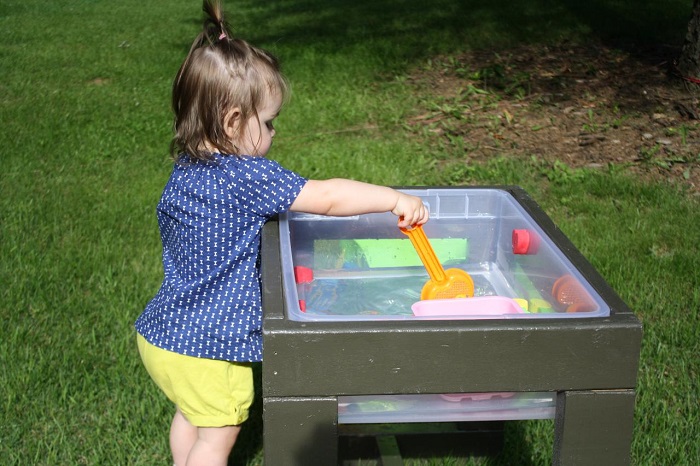
Rainy days can be perfect for playtime—especially when you bring the rain inside! Fill a large sensory bin with water and add droppers, plastic cups, funnels, sponges, and blue food coloring to simulate puddles and raindrops. Encourage preschoolers to squeeze, pour, and drip water to mimic gentle rain or a thunderstorm.
You can even extend the activity by hanging cotton balls (as clouds) above the bin and letting the “rain” fall through a colander or sieve. As they play, introduce new vocabulary like “drizzle,” “storm,” or “sprinkle” to make it a language-rich experience. For an art twist, tape white construction paper under a plastic lid and let the children drip watered-down paint using droppers. As the colors spread, they’ll watch their very own “rain art” come to life.
Rainbow Rice Sensory Bin
Rainbows are a spring staple—and they make for beautiful sensory fun! Rainbow rice is simple to make and endlessly versatile for play. All you need is uncooked rice, vinegar, and a few drops of food coloring. Mix each color in a zip-top bag, shake to coat evenly, then let it dry.
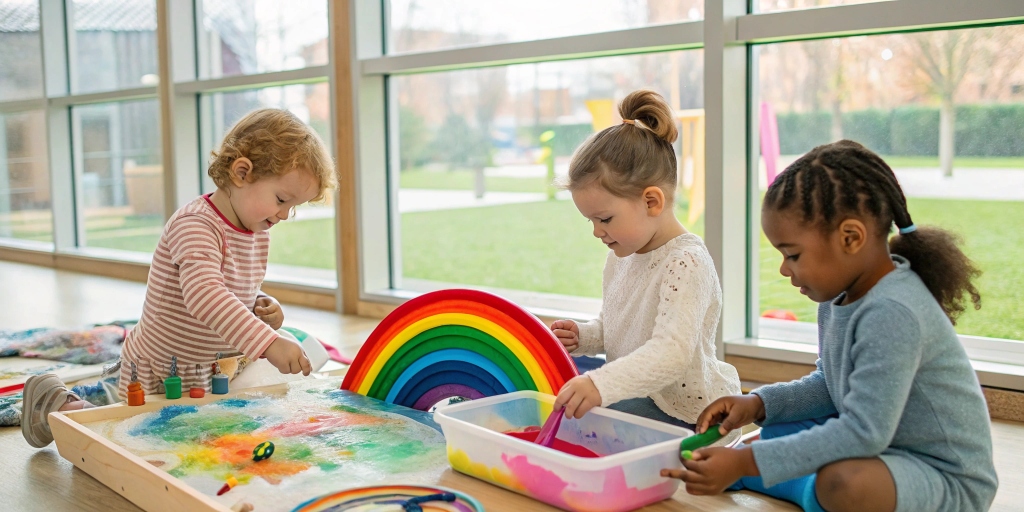
Once ready, mix all the colors in a large tray or bin. Add small scoops, cups, and plastic spoons for pouring, sorting, and filling. Preschoolers can practice hand-eye coordination by burying small toys or using the rice for pretend cooking. Set the bin by a sunny window so the colors shimmer—just like a real rainbow after a storm. This activity also transitions beautifully into early counting and color recognition games.
Garden-Inspired Sensory Exploration
Nothing says spring like digging in the dirt and planting seeds. Transform outdoor learning with a simple child-friendly garden corner. Use raised planters or elevated garden beds from Keter to make gardening comfortable for little gardeners. Fill the beds with easy-to-grow plants like lettuce, strawberries, or marigolds, and let children explore the textures of soil, leaves, and petals.
Provide small shovels, rakes, and watering cans for an immersive tactile experience. As seeds sprout, preschoolers can observe growth over several weeks and understand the connection between rain, sun, and thriving plants. Gardening promotes responsibility and patience while fostering environmental awareness—values that can blossom throughout childhood.
Wooden Rainbow Play and Color Sorting
Bring the colors of spring indoors with wooden rainbow sensory sets that inspire open-ended play. These sets can be arranged to create bridges, tunnels, towers, and patterns—offering endless opportunities for creative building. Combine them with items from nature walks, such as flowers, leaves, and pebbles, and have children match natural treasures to the rainbow’s corresponding colors. This encourages fine motor skills, spatial reasoning, and color association—all while sparking imagination and wonder.
Extend the play by turning this into a storytelling activity. Ask children to build “Spring Rainbow Town” or “The Garden of Colors,” and have them narrate what happens in their imaginative world.
Mud Kitchen and Nature Soup
For outdoor-loving preschoolers, a mud kitchen turns every rainy day into an adventure. Use an old table, pots, or buckets to create a mini “chef station” in the yard. Supply utensils, ladles, and bowls, and let children combine dirt, water, leaves, petals, and stones to craft “nature soup.”
Not only does this type of play strengthen hand muscles and coordination, but it also encourages role-play and sharing. Add herbs or flower petals for lovely natural scents and vivid color contrasts. When children pretend to cook, pour, and serve, they’re developing real social-emotional and cognitive skills—all under the excuse of getting delightfully muddy.
Spring Sensory Bottles
Sensory bottles are mesmerizing for little eyes and soothing for overstimulated minds. Fill clear bottles with combinations of water, glitter, oil, beads, flower petals, or small toys. Shake them up to create “rain in a bottle” or “floating gardens.”
Let kids experiment with density and mixing by varying the oil-to-water ratio. These bottles can also serve as calm-down tools after high-energy play, making them perfect for classrooms or home corners. Watching the slow swirls of colors can feel just as magical as watching spring clouds drift by.
The Beauty of Spring Through a Child’s Eyes
Spring sensory play is more than just fun—it’s a way to nurture curiosity, imagination, and connection with the natural world. By weaving in themes of rain, growth, and color, you invite children to explore their environment through all their senses.
Whether it’s a rainbow rice bin on the kitchen floor or a muddy “garden kitchen” outside, the joy of discovery shines in every puddle and petal. With a few creative materials and a touch of spring magic, each playtime moment becomes a chance to grow, learn, and bloom—just like the season itself.