
The easiest way to make the best homemade meatballs is to combine ground meat with breadcrumbs, eggs, garlic, onion, herbs, and seasoning, then gently mix, shape into equal balls, and cook by baking or pan-searing until tender and juicy. This method keeps meatballs moist, flavorful, and beginner-friendly without special equipment.
Many home cooks struggle with meatballs that turn out dry, dense, or bland. The solution is simple: correct ingredient ratios, gentle mixing, and the right cooking technique. Once you follow a structured approach, homemade meatballs become faster, healthier, and more flavorful than store-bought versions.
This guide explains how to make soft and juicy meatballs step by step using practical techniques tested in real kitchens and supported by food science insights. You’ll learn ingredient ratios, cooking methods, storage tips, and mistakes to avoid so your meatballs come out perfect every time.
Why Do Homemade Meatballs Often Turn Out Dry or Tough?
Most homemade meatballs turn dry because of overmixing, low fat content, or incorrect cooking temperature.
Problem: Many people follow recipes but still get dense meatballs. The texture feels rubbery instead of tender.
Agitation: According to testing from the USDA FoodData Central guidelines on ground meat structure and moisture retention, lean ground beef (90% lean) loses moisture faster during cooking than 80% lean beef. That means using very lean meat increases dryness risk.
Solution: Use a balanced fat ratio and avoid compressing the mixture too tightly.
- Choose 80/20 ground beef or mixed meats
- Add breadcrumbs soaked in milk
- Mix ingredients lightly
- Cook at moderate temperature
These small changes dramatically improve texture.
What Ingredients Are Needed for the Best Homemade Meatballs?
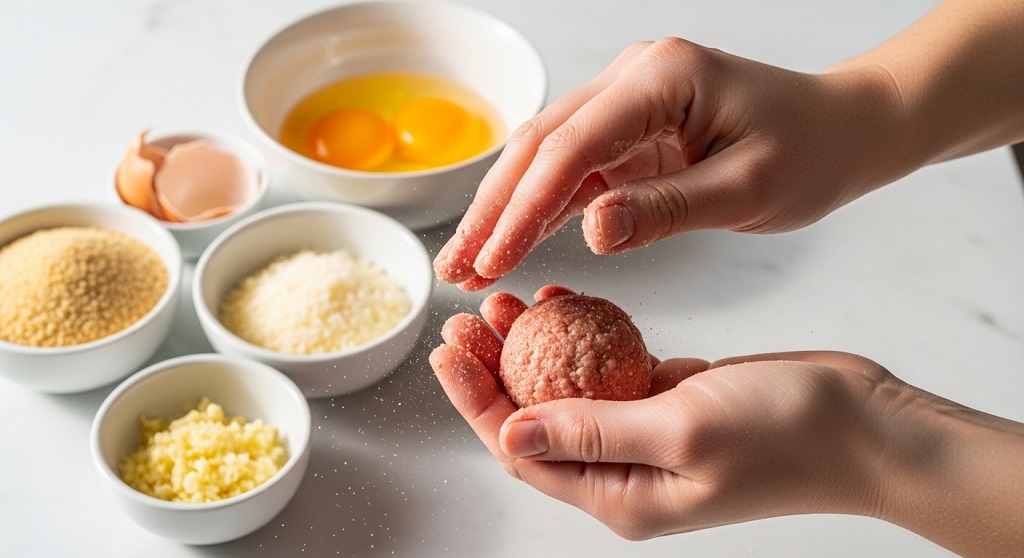
The best homemade meatballs require ground meat, breadcrumbs, egg, onion, garlic, herbs, salt, pepper, and milk.
Each ingredient plays a functional role in texture and flavor.
| Ingredient | Purpose |
|---|---|
| Ground meat | Main protein base |
| Breadcrumbs | Hold moisture |
| Egg | Bind ingredients |
| Milk | Softens texture |
| Garlic & onion | Add flavor depth |
| Salt & pepper | Enhance taste |
| Parsley or herbs | Fresh aroma |
Adding soaked breadcrumbs creates what chefs call a “panade.” This improves tenderness significantly.
What Is the Best Meat Ratio for Juicy Meatballs?
The best ratio combines beef, pork, and sometimes veal for balanced fat and flavor.
A commonly used ratio:
- 50% beef
- 25% pork
- 25% veal
If veal is unavailable, use equal parts beef and pork.
Food lab testing from Serious Eats demonstrated that mixed-meat meatballs retained more moisture than single-meat versions after roasting. The added fat improves texture consistency.
How Do You Mix Meatball Ingredients Correctly?
Mix ingredients gently using your hands until just combined.
Overmixing activates meat proteins called myosin. This creates a tight structure similar to sausage instead of soft meatballs.
Follow this process:
- Combine breadcrumbs and milk first
- Add egg and seasoning
- Mix aromatics
- Add ground meat last
- Fold gently
Stop mixing as soon as ingredients look evenly distributed.
How Big Should Homemade Meatballs Be?
Standard homemade meatballs should be about 1 to 1.5 inches in diameter.
This size ensures:
- Even cooking
- Better sauce absorption
- Faster preparation time
Use a tablespoon or cookie scoop for consistency.
Is It Better to Bake or Fry Meatballs?
Baking meatballs is easier and healthier, while frying adds stronger flavor.
| Method | Benefit |
|---|---|
| Baking | Less oil, easier cleanup |
| Frying | Better crust and flavor |
| Simmering in sauce | Extra tenderness |
For most home kitchens, baking at 200°C (400°F) for 18–22 minutes gives consistent results.
How Do You Keep Meatballs Moist While Cooking?
Keep meatballs moist by using soaked breadcrumbs, moderate fat content, and controlled heat.
Additional tips:
- Avoid overbaking
- Do not compress mixture
- Add grated onion
- Use milk instead of water
Grated onion releases natural moisture during cooking.
What Seasonings Make Meatballs Taste Better?
The best seasoning combination includes garlic, onion, parsley, salt, pepper, and Italian herbs.
Optional flavor upgrades:
- Parmesan cheese
- Paprika
- Chili flakes
- Oregano
- Basil
Adding cheese increases umami flavor naturally.
Can You Make Meatballs Without Breadcrumbs?
Yes, meatballs can be made without breadcrumbs by using oats, crushed crackers, or almond flour.
Breadcrumb substitutes:
- Rolled oats
- Crushed rice
- Cooked quinoa
- Almond flour
These options work well for gluten-free cooking.
What Is the Step-by-Step Recipe for Homemade Meatballs?
Follow this simple method for consistent results.
Ingredients
- 500g ground beef
- 1 egg
- ½ cup breadcrumbs
- ¼ cup milk
- 2 cloves garlic
- 1 small onion (grated)
- Salt and pepper
- Parsley
Instructions
- Preheat oven to 200°C
- Mix breadcrumbs with milk
- Add egg and seasoning
- Fold in meat gently
- Shape into balls
- Bake for 20 minutes
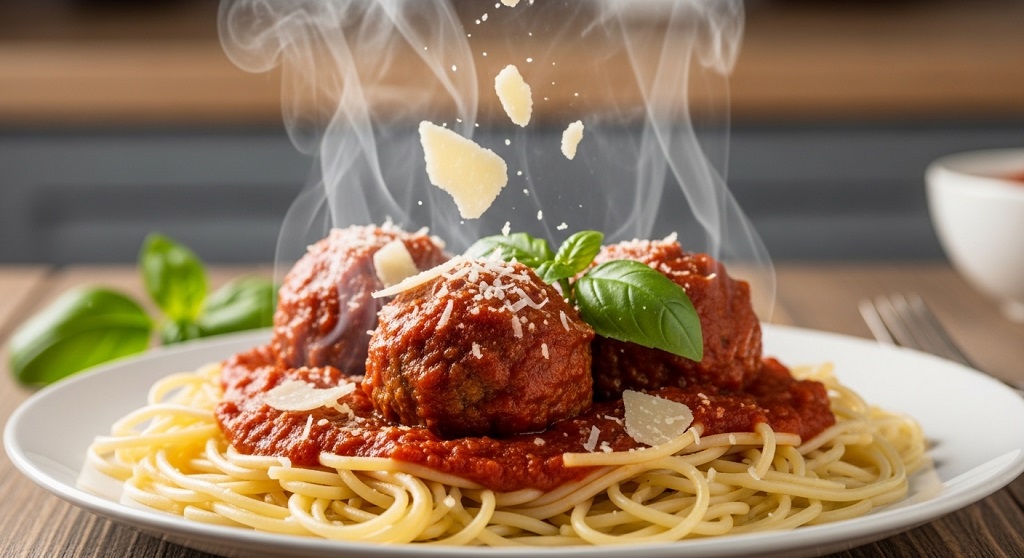
Serve with tomato sauce or pasta.
What Sauce Works Best with Homemade Meatballs?
Tomato-based marinara sauce pairs best with homemade meatballs.
Other sauce options:
- Garlic butter sauce
- Cream sauce
- BBQ sauce
- Swedish gravy
Simmering meatballs in sauce for 10 minutes improves flavor absorption.
Can Homemade Meatballs Be Frozen for Later Use?
Yes, homemade meatballs freeze well for up to three months.
Freezing steps:
- Cook meatballs first
- Cool completely
- Store airtight
- Label date
Meal prep studies from the American Frozen Food Institute show properly stored cooked proteins retain flavor and safety for extended storage periods.
How Long Should Meatballs Be Cooked?
Meatballs should be cooked until internal temperature reaches 71°C (160°F).
Cooking time varies by method:
- Baking: 18–22 minutes
- Pan frying: 10–12 minutes
- Simmering in sauce: 25 minutes
Use a thermometer for accuracy.
Are Homemade Meatballs Healthier Than Store-Bought?
Yes, homemade meatballs are healthier because you control ingredients, salt levels, and fat content.
Store-bought versions often contain:
- Preservatives
- Extra sodium
- Artificial flavor enhancers
According to CDC sodium intake reports, processed foods contribute over 70% of dietary sodium in typical packaged meals.
Conclusion: What Is the Secret to Making Perfect Meatballs Every Time?
The secret to making perfect homemade meatballs is balancing moisture, fat content, and mixing technique. Use soaked breadcrumbs, avoid overmixing, and cook at the right temperature for consistent results.
Once you apply these methods, meatballs become one of the easiest and most flexible meals you can prepare at home. You can serve them with pasta, rice, sandwiches, or salads depending on your preference.
Try this recipe today and experiment with your own seasoning variations. Save time by freezing extra batches and create quick meals throughout the week. If you found this guide helpful, share it with someone who wants better homemade cooking results.
Frequently Asked Questions About Homemade Meatballs
What makes meatballs soft and tender?
Soaked breadcrumbs, moderate fat content, and gentle mixing create soft meatballs. Avoid compressing the mixture too tightly.
Should meatballs be cooked before adding to sauce?
Yes, browning meatballs before adding them to sauce improves flavor and texture.
Can meatballs be made ahead of time?
Yes, meatballs can be prepared one day in advance and stored in the refrigerator before cooking.
Why do meatballs fall apart while cooking?
Meatballs fall apart when they lack binding ingredients like egg or breadcrumbs.
Can meatballs be baked instead of fried?
Yes, baking meatballs is easier, healthier, and produces consistent results.
How do you store leftover meatballs safely?
Store cooked meatballs in airtight containers in the refrigerator for up to four days.
What herbs work best in meatballs?
Parsley, oregano, basil, and thyme enhance flavor without overpowering the meat.
Read More Also How to Ferment Vegetables at Home Safely: A Beginner’s Guide to Gut Health
Discover More How Many Days Can a Betta Fish Go Without Eating?