
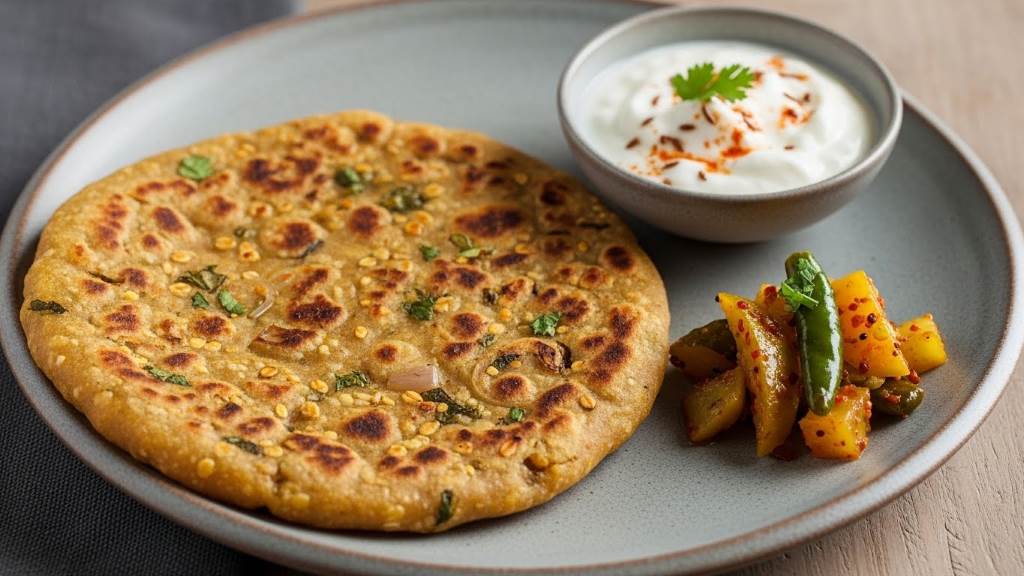
Imagine biting into a warm, fluffy flatbread that bursts with flavors from grains and spices. Thalipeeth offers just that experience. This traditional Maharashtrian dish combines multiple flours into a nutritious pancake. People love it for breakfast or snacks. Yet, many struggle to keep it soft instead of turning hard. You can achieve perfect softness with simple techniques.
According to a 2021 study in The Pharma Journal, one serving of thalipeeth provides 16.94 grams of protein and 49.29 grams of carbohydrates. The Indian Council of Agricultural Research notes multigrain foods like thalipeeth support better digestion due to high fiber content. These stats highlight its health value. Now, let’s explore steps to create soft thalipeeth at home. This guide shares practical tips and recipes.
What Is Thalipeeth?
Thalipeeth stands as a beloved flatbread from Maharashtra, India. Cooks prepare it from a blend of roasted grains and lentils. The name comes from “thali,” meaning plate, and “peeth,” referring to flour. People pat the dough flat on a surface before cooking.
This dish differs from roti or paratha. It includes diverse flours like sorghum, pearl millet, and chickpea. These create a unique texture. Spices and vegetables add extra taste. Thalipeeth serves as a versatile meal option.
Moreover, its multigrain nature boosts nutrition. You find fiber, proteins, and vitamins in every bite. Families pass down recipes through generations. Today, modern twists keep it relevant.
Essential Ingredients for Soft Thalipeeth
Gather fresh ingredients first. Start with the flour mix, called bhajani. Combine 1 cup sorghum flour, half cup pearl millet flour, quarter cup chickpea flour, quarter cup rice flour, and quarter cup wheat flour. This balance ensures softness.
Next, add vegetables. Chop one medium onion finely. Include a handful of fresh cilantro leaves. Mince two green chilies for heat. Grate one garlic clove for aroma.
Spices enhance flavor. Use half teaspoon turmeric powder. Add one teaspoon cumin seeds. Sprinkle sesame seeds for crunch. Salt tastes to preference.
Finally, bind with liquids. Pour hot water gradually. Some recipes suggest yogurt for extra tenderness. Oil helps in cooking.
Step-by-Step Guide to Making the Dough
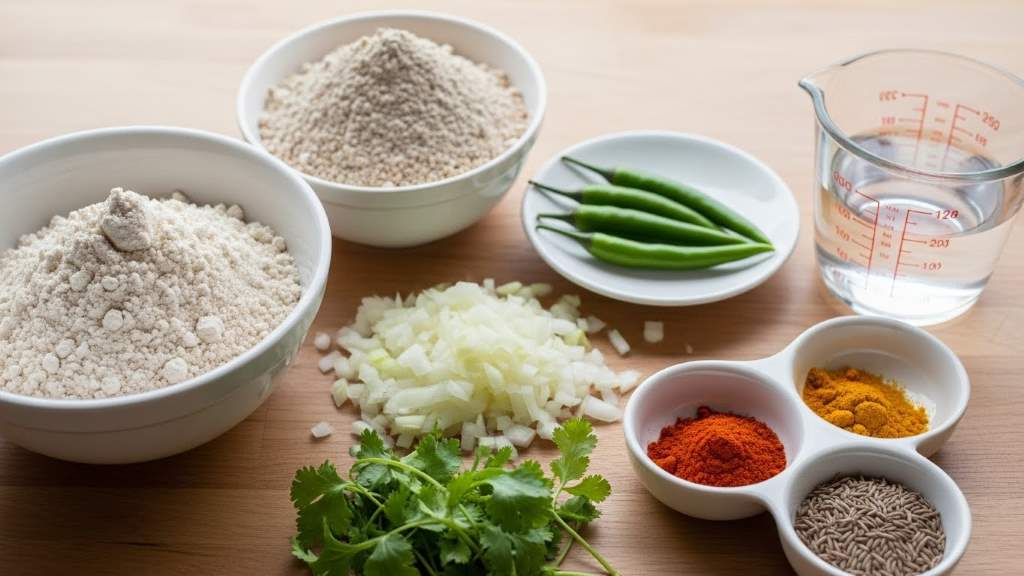
Begin by mixing dry ingredients. Place all flours in a large bowl. Stir in spices, onions, cilantro, chilies, and garlic. Mix evenly.
Then, heat water until warm. Add it slowly to the mixture. Knead gently. Aim for a soft, pliable dough. Avoid overkneading, as it toughens the texture.
If the dough feels dry, incorporate more water. For creaminess, mix in two tablespoons of yogurt. This step keeps thalipeeth moist.
Rest the dough next. Cover it with a damp cloth. Let it sit for 15 to 20 minutes. Resting allows flours to absorb moisture fully.
Check consistency after resting. The dough should not stick to hands. Adjust with flour if needed. Now, prepare for shaping.
Shaping Thalipeeth Properly
Shaping requires care. Divide dough into equal balls. Each ball makes one thalipeeth. Wet a cotton cloth or use a banana leaf.
Place a ball on the cloth. Pat it flat with fingers. Start from the center and move outward. Aim for even thickness, about quarter inch.
Poke small holes in the center. This allows steam to escape during cooking. It prevents puffing unevenly.
If dough sticks, dust fingers with flour. Practice makes this easier. Beginners can use plastic sheets for simplicity.
Transfer shaped dough to a hot griddle. Peel it off the cloth carefully. This method ensures a round, soft flatbread.
Cooking Techniques for Maximum Softness
Heat a tawa or griddle on medium flame. Add a teaspoon of oil. Place the shaped dough on it.
Cook one side for two minutes. Flip gently. Drizzle oil around edges. Cover with a lid for steaming.
Steaming traps moisture inside. It results in softer texture. Cook the other side similarly.
Press edges with a spatula. This evens out cooking. Total time takes about five minutes per piece.
Remove when golden brown spots appear. Serve hot. These steps lock in softness.
Top Tips to Ensure Softness Every Time
Use hot water for dough. It hydrates flours better. Consequently, the thalipeeth stays tender.
Incorporate yogurt or buttermilk. These add acidity. They break down starches for fluffiness.
Rest dough adequately. This relaxes gluten. Thus, you avoid chewiness.
Cook on medium heat. High heat dries it out. Low heat makes it soggy.
Add grated vegetables like cucumber. They release moisture during cooking. This keeps the interior soft.
Experiment with oats flour. Replace part of wheat flour with it. Oats absorb water well.
Store leftovers in airtight containers. Reheat with steam. It revives softness.
Common Mistakes to Avoid
Many overknead the dough. This develops too much gluten. As a result, thalipeeth turns tough.
Skipping rest time rushes the process. Flours need time to hydrate. Otherwise, dryness occurs.
Using cold water hinders absorption. Always opt for warm liquids.
Cooking on high flame burns the outside. The inside remains raw. Balance heat properly.
Ignoring holes in dough causes uneven cooking. Steam builds up inside.
Adding too much flour during shaping absorbs moisture. Keep it minimal.
Variations of Soft Thalipeeth
Try vegetable thalipeeth. Grate carrots or beets into the dough. They add color and nutrients.
For spicy versions, increase chilies. Add ginger paste for zing.
Make it gluten-free. Skip wheat flour. Use more rice or chickpea flour.
Sweet thalipeeth appeals to some. Mix jaggery with the dough. Serve as dessert.
Incorporate nuts. Crush peanuts for crunch. They complement the soft texture.
Regional twists exist. Konkani style uses coconut. It enhances flavor.
Nutritional Benefits of Thalipeeth
Thalipeeth packs health punches. Its multigrain base provides balanced nutrition.
Fiber aids digestion. One serving offers about 16 grams. This meets daily needs partly.
Protein supports muscle repair. Legumes in the mix contribute 17 grams per portion.
Low glycemic index stabilizes blood sugar. Diabetics benefit from this.
Vitamins like B-complex come from grains. They boost energy levels.
Minerals such as iron and magnesium strengthen bones. A 2025 study in Food Science Journal confirms multigrain flatbreads improve nutrient intake.
Antioxidants fight inflammation. Vegetables in thalipeeth add these.
Overall, it serves as a wholesome meal. Include it in diets regularly.
Pairing and Serving Suggestions
Serve thalipeeth with yogurt. The coolness balances spices.
Pickles add tang. Mango or lemon varieties work well.
Butter or ghee enhances richness. Spread it while hot.
Pair with tea. Masala chai complements flavors.
For meals, add salads. Cucumber raita refreshes the palate.
Store extras wrapped in foil. They stay soft longer.
Present on platters. Garnish with cilantro. It looks inviting.
Advanced Tips from Experts
Consult traditional cooks. They emphasize fresh roasting flours. This improves taste and texture.
Use stone-ground flours. They retain nutrients better.
Adjust water based on humidity. Dry weather needs more liquid.
Incorporate herbs like fenugreek. They soften the dough naturally.
Monitor griddle temperature. Use infrared thermometers for precision.
Experiment with hydration levels. Track results in a journal.
Join online communities. Share experiences for better outcomes.
Why Softness Matters in Thalipeeth
Soft thalipeeth delights the senses. It melts in the mouth easily.
Hard versions disappoint eaters. They require more chewing.
Softness indicates proper preparation. It shows skill in balancing ingredients.
Children prefer soft foods. This makes thalipeeth family-friendly.
Texture affects enjoyment. Soft flatbreads pair better with dips.
In competitions, judges value softness. It sets winners apart.
Ultimately, softness elevates the dish. Strive for it always.
Incorporating Modern Twists
Blend superfoods. Add quinoa flour for protein boost.
Use air fryers for cooking. They reduce oil usage.
Make mini versions. They suit parties well.
Infuse global spices. Cumin and oregano mix interestingly.
Bake instead of frying. This offers healthier options.
Share recipes online. Inspire others to try.
These updates keep thalipeeth fresh.
Troubleshooting Hard Thalipeeth
If thalipeeth hardens, check flour quality. Old flours absorb less water.
Increase resting time. Extend to 30 minutes.
Add oil to dough. It tenderizes the mix.
Steam after cooking. Place in a hot box.
Rehydrate with sprinkles. Mist water before reheating.
Analyze each batch. Note changes for improvement.
Persistence pays off. Soft results follow soon.
Cultural Significance of Thalipeeth
Thalipeeth roots in Maharashtra’s heritage. Farmers ate it for sustenance.
Festivals feature it. Ganesh Chaturthi includes thalipeeth offerings.
Women prepare it communally. This strengthens bonds.
Stories surround its origin. Legends tie it to rural life.
Today, it represents healthy eating. Urban dwellers rediscover it.
Preserve traditions through cooking. Pass recipes to kids.
It unites people over meals.
Healthier Alternatives in Ingredients
Swap refined flours. Use whole grains only.
Add sprouts. They increase nutrition.
Reduce salt. Opt for herbs instead.
Include omega-rich seeds. Flaxseeds work well.
Choose organic produce. It avoids chemicals.
These changes promote wellness.
Monitor portions. Balance with veggies.
Scaling the Recipe for Crowds
Double ingredients for groups. Maintain ratios.
Prepare dough in batches. Avoid overwhelming.
Cook multiple tawas. Speed up service.
Freeze shaped dough. Thaw when needed.
Plan ahead. Chop veggies early.
Serve buffet style. Guests enjoy self-service.
These tips handle large gatherings.
Kid-Friendly Thalipeeth Ideas
Shape into fun forms. Use cookie cutters.
Add cheese. It melts softly.
Reduce spices. Keep mild.
Pair with fruits. Bananas complement well.
Involve kids in patting. They learn skills.
Make it colorful. Use veggies for appeal.
These engage young eaters.
Seasonal Adaptations
Summer calls for cooling additions. Mint leaves refresh.
Winter favors warming spices. Ginger heats up.
Monsoon needs quick cooking. Avoid sogginess.
Festive seasons add nuts. They enrich flavor.
Adapt to weather. Adjust moisture levels.
These keep thalipeeth relevant yearly.
Related:
- Mistakes When Freezing Leftovers That Affect Texture
- Why Dresses Look Sloppy on Tall Women
- How to Make Horchata Without a Blender
Conclusion
Making thalipeeth soft involves selecting right ingredients, kneading properly, and cooking with care. Rest the dough, use hot water, and steam during cooking. Avoid common pitfalls like overkneading. Enjoy its nutritional perks like high protein and fiber. Variations keep it exciting.
Try this recipe today. Share your soft thalipeeth with family. Experience the joy of homemade goodness.
FAQs
What flour mix works best for soft thalipeeth?
Combine sorghum, pearl millet, chickpea, rice, and wheat flours. This blend creates balance. Add oats for extra tenderness.
How long should I rest the dough?
Rest for 15 to 30 minutes. Cover with a damp cloth. This step absorbs moisture well.
Can I make thalipeeth gluten-free?
Yes, omit wheat flour. Increase rice or chickpea portions. It stays soft with proper hydration.
Why does my thalipeeth turn hard after cooling?
It lacks moisture. Store in airtight containers. Reheat with steam to soften.
What sides pair well with thalipeeth?
Serve with yogurt, pickles, or butter. Tea enhances the meal too.
References