
Fermenting vegetables at home is not only a great way to preserve food, but it also enhances the flavor and nutritional value of your produce. Fermented vegetables are packed with probiotics, which are essential for gut health, and they can add a unique, tangy twist to your meals. But many people shy away from fermenting their own vegetables due to concerns about safety and the process itself.
In this article, we will guide you through the process of fermenting vegetables at home safely, addressing common fears and providing you with clear, actionable steps. Whether you’re a seasoned pro or a first-time fermenter, we’ve got you covered with all the knowledge you need to get started. Let’s dive in!
What are the benefits of fermenting vegetables at home?
Answer: Fermenting vegetables at home offers several benefits, including preserving food, enhancing flavor, and boosting nutritional value with probiotics.
Fermented vegetables are a powerhouse of nutrition. By fermenting your vegetables, you can significantly improve their shelf life while retaining essential vitamins and minerals. Fermentation naturally increases the bioavailability of nutrients like B vitamins, vitamin K2, and folate. Additionally, the beneficial bacteria (probiotics) produced during fermentation can support your digestive system and overall immune health. It’s no wonder that fermented foods are making a comeback in health-conscious kitchens around the world.
How does fermentation work?
Answer: Fermentation is a natural process where microorganisms like bacteria or yeast break down sugars in food, producing beneficial compounds such as lactic acid.
In the case of vegetables, the fermentation process involves anaerobic bacteria (lactic acid bacteria) breaking down sugars into lactic acid. This acid acts as a preservative and gives fermented vegetables their distinct tangy flavor. The process also creates probiotics, which support gut health by populating your intestines with good bacteria.
What vegetables are best for fermentation?
Answer: Vegetables like cabbage, carrots, cucumbers, beets, and cauliflower are ideal for fermentation due to their high water content and natural sugars.
- Cabbage: Perfect for making sauerkraut and kimchi, cabbage is a common choice for beginners.
- Carrots: Carrots retain their crunch even after fermentation and have a naturally sweet flavor that pairs well with spices.
- Cucumbers: Cucumbers make excellent pickles when fermented, offering a refreshing, tangy bite.
- Beets: Known for their earthy flavor, beets ferment well and can add a vibrant color to your dishes.
- Cauliflower: Cauliflower absorbs the flavors of the brine beautifully and retains a satisfying texture.

How do you ferment vegetables safely at home?
Answer: To ferment vegetables safely at home, ensure you use clean equipment, fresh vegetables, and a proper brine solution. Avoid contamination and maintain the correct temperature.
Here’s a simple step-by-step guide to fermenting vegetables:
Step 1: Choose fresh, organic vegetables
Always select fresh, organic vegetables to start the fermentation process. Fresh vegetables are free from chemicals that may hinder the fermentation process and can result in unwanted bacteria growth. Wash your vegetables thoroughly but avoid soaking them in water as this may dilute their natural flavors.
Step 2: Prepare your brine
A brine is a saltwater solution that encourages beneficial bacteria growth while inhibiting harmful bacteria. To make a basic brine, use 1 tablespoon of non-iodized sea salt per cup of water. Dissolve the salt thoroughly before pouring over the vegetables.
Step 3: Pack vegetables tightly in a jar
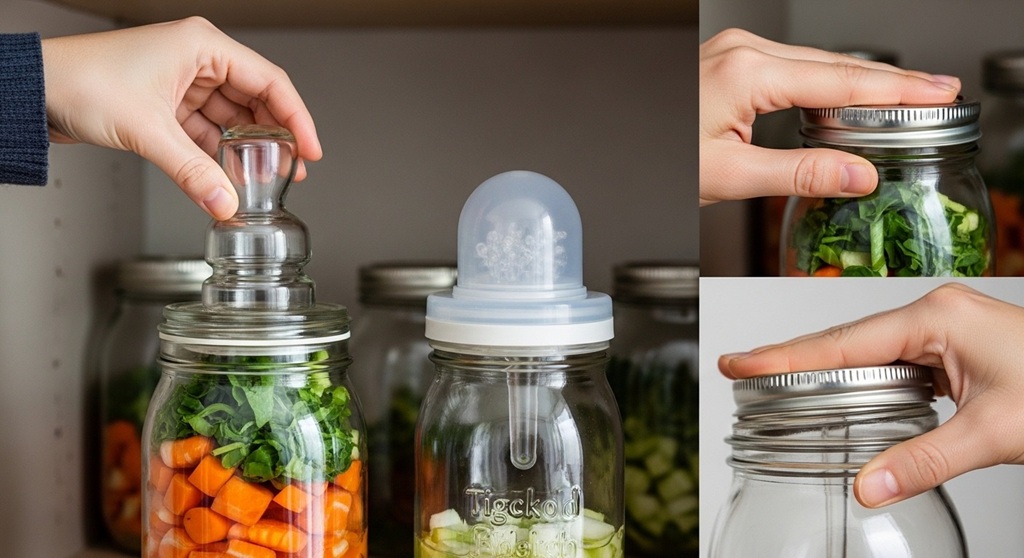
Carefully pack the prepared vegetables into a glass jar, ensuring there is no airspace between them. Press the vegetables down as you go to remove any trapped air. You can use a clean weight to keep the vegetables submerged in the brine. This prevents exposure to air, which could lead to mold growth.
Step 4: Store in a warm, dark place
Place your jar in a warm, dark spot (ideally between 60°F and 72°F) for fermentation. Check the jar daily to make sure the vegetables stay submerged, and ensure that no mold forms. Depending on the temperature, fermentation can take anywhere from 3 to 14 days. Taste your vegetables every few days to check their progress.
Step 5: Refrigerate after fermentation
Once your vegetables have reached the desired taste and texture, move the jar to the fridge. The cold temperature will slow down the fermentation process and help preserve the vegetables for a longer period.
How can you prevent common fermentation mistakes?
Answer: To prevent common fermentation mistakes, avoid using chlorinated water, always use clean equipment, and ensure proper temperature control.
- Use non-chlorinated water: Chlorine can inhibit the growth of beneficial bacteria, so opt for filtered or non-chlorinated water.
- Clean all equipment: Ensure all jars, utensils, and weights are clean to avoid contamination.
- Maintain temperature control: Fermentation thrives in a stable, warm environment. Too much heat or cold can halt the process.
- Avoid using too much salt: Excessive salt can prevent the bacteria from working properly. Stick to the recommended amount.
What are the health benefits of fermented vegetables?
Answer: Fermented vegetables offer numerous health benefits, including improved digestion, enhanced nutrient absorption, and a stronger immune system.
The probiotics produced during fermentation help balance gut flora, which can improve digestion and reduce bloating. Additionally, fermented foods have been linked to enhanced absorption of nutrients like vitamin B12 and iron. These foods may also boost immunity by supporting the health of your gut microbiome, which plays a crucial role in overall immune function.
Conclusion
Fermenting vegetables at home is a rewarding and cost-effective way to enjoy delicious, nutrient-dense foods. By following the simple steps outlined above, you can ensure that your vegetables ferment safely, offering you a tasty addition to your meals while supporting your health.
Are you ready to start fermenting your vegetables at home? With the right knowledge and tools, you can create a variety of probiotic-rich dishes that are both delicious and nutritious. If you found this guide helpful, explore more of our content on fermented foods and other healthy kitchen practices!
FAQ
1. Can I ferment vegetables without salt?
Answer: Salt is essential for fermenting vegetables because it helps create the right environment for beneficial bacteria while preventing harmful bacteria from growing. Fermenting without salt is possible but may result in unsafe or unsuccessful fermentation.
2. How long does it take to ferment vegetables?
Answer: Fermentation time varies depending on temperature and the type of vegetable. It typically takes anywhere from 3 to 14 days to ferment vegetables at room temperature.
3. How can I tell if my fermented vegetables have gone bad?
Answer: Signs that your fermented vegetables have gone bad include a foul odor, slimy texture, and visible mold. If any of these occur, discard the batch.
4. Can I ferment vegetables without a weight?
Answer: While a weight helps ensure that vegetables stay submerged in the brine, you can ferment without it by pressing down the vegetables regularly to keep them below the surface of the liquid.
5. Is it safe to eat fermented vegetables every day?
Answer: Yes, it is generally safe to consume fermented vegetables daily in moderation. They are a healthy source of probiotics, but overconsumption could lead to digestive discomfort for some individuals.
Read More Also: How to Prepare Yukon Territory Food Using Fire Cooking Methods
Find out: How to Choose the Right Ravioli Cutter for Your Kitchen