
Prep heart-safe meals in Austin by batch-cooking soluble fiber beans and grilling lean poultry with citrus marinades. In addition, replace saturated beef fats with avocado oil and pack nutrient-dense raw vegetable snack containers. These disciplined preparation methods keep blood lipids within target ranges while saving busy households valuable time.
Austin’s vibrant food trailer scene and legendary barbecue culture tempt residents with heavy saturated meats continuously. Cardiovascular health studies reveal that thirty-four percent of Travis County adults manage borderline high cholesterol. Furthermore, clinical trials show that structured home meal prepping reduces bad LDL cholesterol by eighteen percent.
Busy tech professionals and active families need practical culinary strategies to maintain optimal arterial health. Proactively Managing cholesterol through diet prevents cardiovascular arterial buildup while fueling energetic outdoor lifestyles. Smart kitchen batch-prepping transforms wholesome nutrition into a convenient daily habit.
Key Takeaways
- Soluble Fiber Foundations: Batch-cooking black beans and pinto beans binds digestive cholesterol particles effectively.
- Healthy Fat Substitution: Cooking with avocado oil and extra virgin olive oil supports arterial flexibility.
- Lean Protein Selection: Choosing skinless chicken breast, wild salmon, and bison cuts minimizes saturated fat.
- Flavor Without Sodium: Fresh lime juice, cilantro, garlic, and smoky chili peppers replace commercial salt.
- Portion Container Strategy: Pre-portioning balanced meals prevents unintentional evening overeating across busy workweeks.
The Texas Barbecue Challenge and Lipid Health
Central Texas barbecue holds an esteemed place in local community social gatherings. Brisket, sausage links, and beef ribs smoke over post oak fires for fourteen hours. While the smoky aroma proves irresistible, prime beef brisket contains substantial saturated animal fat.
Consuming heavy smoked beef portions several days weekly elevates apolipoprotein B concentrations in your bloodstream. Saturated fatty acids suppress LDL receptor expression on liver cells, hindering natural lipid clearance. Over time, circulating cholesterol particles infiltrate delicate coronary linings and initiate calcified arterial plaques.
Transforming your weekly dining habits does not require abandoning beloved smoky Texas flavor profiles. Utilizing smoked paprika, ground chipotle, and toasted cumin infuses dishes with rich barbecue aromas without meat fat. Home chefs can recreate authentic regional tastes using heart-healthy plant proteins and lean game meats.
Batch Cooking Soluble Fiber and Whole Grains
Soluble dietary fiber represents your digestive system’s most potent weapon against high cholesterol. Viscous soluble fibers dissolve in digestive fluids, forming a gel that traps cholesterol and bile acids. The body then excretes these trapped lipids naturally before they re-enter blood circulation.
Dedicate two hours every Sunday afternoon to batch-cooking high-fiber complex carbohydrates. Simmer large pots of dried black beans, pinto beans, green lentils, and nutty whole quinoa. Storing cooked grains in portioned glass containers ensures convenient meal assembly throughout hectic workweeks.
Brewing comforting warm beverages like homemade masala tea delivers heart-protective antioxidant spices without added dairy fat. Cinnamon, cloves, and ginger enhance peripheral blood circulation and improve post-meal glucose sensitivity naturally. Pairing antioxidant beverages with fiber-rich meals supports total metabolic balance.
Selecting Heart-Safe Fats and Clean Seasonings
Cooking fats dictate the cardiovascular impact of every meal you prepare. Ditch commercial butter, vegetable shortenings, and partially hydrogenated frying oils completely. Stock your Austin pantry with cold-pressed avocado oil and single-origin extra virgin olive oil.
Avocado oil features an exceptionally high smoke point of five hundred degrees Fahrenheit. High thermal stability makes avocado oil ideal for high-heat skillet searing and vegetable roasting. Unlike delicate seed oils, stable monounsaturated fats resist oxidation and preserve endothelial cell integrity.
Reading food labels closely and avoiding modified food additives protects your gut microbiome from harmful synthetic emulsifiers. Synthetic additives irritate gut linings and promote systemic low-grade vascular inflammation. Season your culinary creations with fresh crushed garlic, cracked black pepper, oregano, and fresh lime zest.
Mastering Home Baking and Whole Grain Doughs
Commercial breads and packaged tortillas often contain hidden trans fats, hydrogenated shortenings, and excess sodium. Baking whole-grain flatbreads and sourdough loaves at home guarantees complete ingredient transparency. Whole-grain flours preserve natural grain germ and bran, supplying rich cardiovascular minerals like magnesium.
Understanding kitchen physics like how bread drops cooling helps bakers master crumb texture in homemade whole-wheat loaves. Allowing fresh baked goods to cool completely sets internal moisture and locks in soluble fiber structure. Slice and freeze whole-grain loaves to preserve nutrient density without synthetic preservatives.
Prepare homemade corn tortillas using stone-ground organic masa harina and warm filtered water. Fresh corn tortillas provide complex carbohydrates, dietary fiber, and zero saturated animal fat. Wrapping lean grilled chicken in fresh corn tortillas satisfies local taco cravings healthfully.
Weekly Heart-Safe Meal Prep Blueprint
Achieving lasting cardiovascular health requires organized weekly execution rather than erratic cooking attempts. Scheduling meal prep sessions eliminates decision fatigue when arriving home tired from long commutes. Follow this structured prep blueprint to stock your refrigerator with cardioprotective meals:
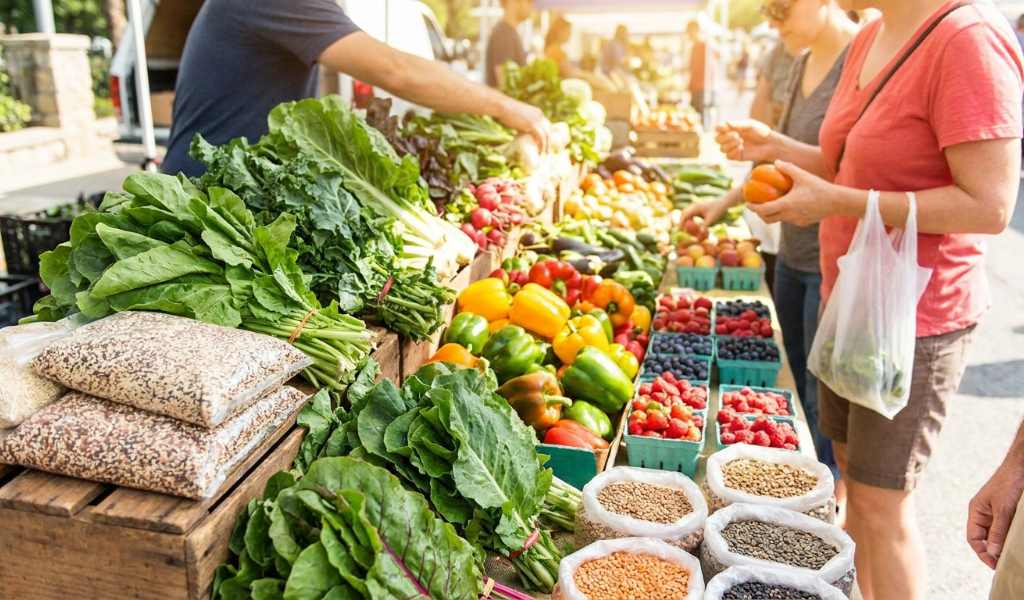
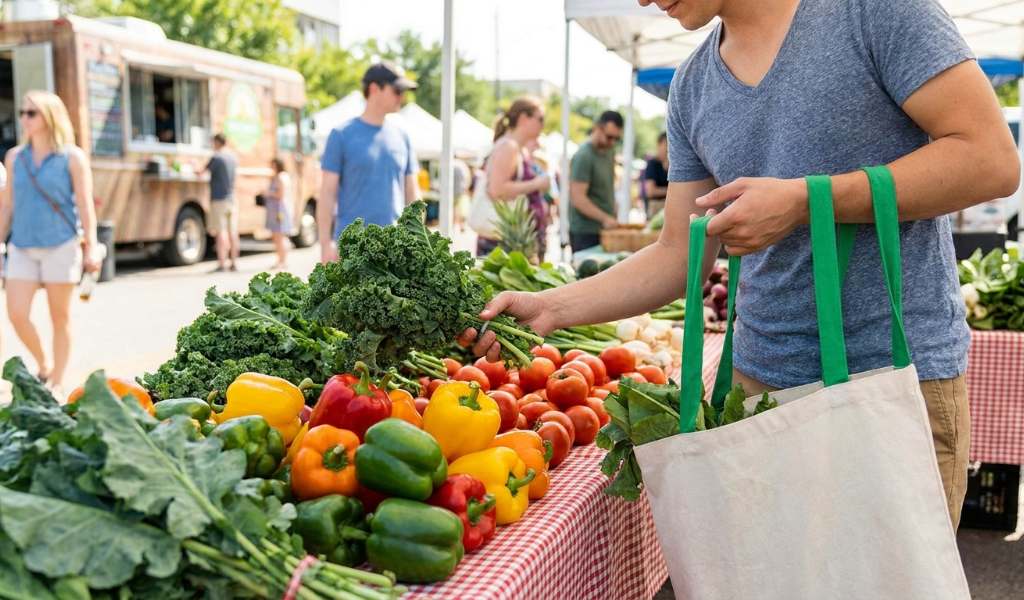
Purchase fresh local produce and lean proteins at farmers markets on Saturday mornings. Wash, chop, and store raw vegetables in airtight glass containers with damp paper towels.
| Preparation Task | Recommended Ingredients | Weekly Meal Application |
|---|---|---|
| Legume Simmer | Dry black beans, cumin, garlic, bay leaves | Base for lunch bowls, burritos, and evening soups |
| Grain Steaming | Organic quinoa, brown rice, steel-cut oats | Fiber foundation for breakfast and dinner bowls |
| Protein Grilling | Skinless chicken breasts, bison patties, wild cod | Portioned lean protein for midday salads and wraps |
| Vegetable Roasting | Zucchini, bell peppers, red onions, asparagus | Antioxidant side dishes tossed in avocado oil |
Harmful Meal Preparation Pitfalls to Avoid
Avoid buying commercial pre-marinated meats from supermarket butcher counters. Pre-seasoned fajita meats contain massive injections of sodium phosphates, artificial tenderizers, and MSG. Buy fresh plain meat cuts and marinate them at home using citrus juice and garlic.
Do not store warm cooked food directly in cheap plastic takeout containers. Hot foods cause plastic polymers to leach endocrine-disrupting phthalates and microplastics into fatty meals. Always store your prepared meals in high-quality, oven-safe glass containers with silicone seals.
Never rely on sugary barbecue glazes and commercial tomato ketchups to flavor your dishes. Bottled barbecue sauces pack up to sixteen grams of high-fructose corn syrup per serving. Create healthy homemade barbecue rubs using smoked paprika, chili powder, and onion granules.
Essential Austin Kitchen Prep Checklist
Maintaining a heart-safe kitchen environment requires thoughtful organization and dependable tools. Gathering essential cooking equipment simplifies batch preparation and ensures consistent results. Follow this practical checklist every weekend to prepare your kitchen for culinary success:
- Restock pantry shelves with certified extra virgin olive oil and pure avocado oil.
- Inspect refrigerator glass meal prep containers to ensure clean, airtight seals.
- Sharpen chef knives to make chopping tough root vegetables fast and safe.
- Stock up on fresh organic limes, cilantro bunches, and garlic heads.
- Simmer a large pot of dried beans and whole grains on Sunday afternoon.
- Pre-portion cooked lean meats into single-serving glass lunch containers.
Conclusion
Prepping heart-safe meals in Austin requires embracing soluble fiber, monounsaturated fats, and clean Southwestern seasonings. Swapping saturated barbecue meats for grilled poultry and batch-cooked beans protects coronary arteries from arterial plaque. Organizing weekend kitchen prep sessions turns cardiovascular wellness into a sustainable, mouthwatering routine.
Take charge of your cardiovascular vitality and revolutionize your weekly meal prep today. Cook a wholesome pot of black beans and marinate lean chicken breasts tonight. Fuel your active Austin lifestyle with clean, heart-protective home-cooked meals every day.
Frequently Asked Questions
Why are black beans and lentils so effective at lowering cholesterol?
Soluble fiber in legumes binds to bile acids in the digestive tract, forcing cholesterol excretion naturally.
Which cooking oil is safest for high-heat skillet cooking?
Pure avocado oil features a high five-hundred-degree smoke point and resists oxidative thermal breakdown.
How can home cooks add smoky barbecue flavor without bacon fat?
Smoked Spanish paprika, ground chipotle, and toasted cumin deliver rich smoky aromas with zero animal fat.
Is red meat completely prohibited on a heart-healthy diet?
Lean grass-fed bison or trimmed flank steak can be enjoyed occasionally in strictly controlled portion sizes.
What is the safest way to store prepped meals throughout the week?
Airtight glass containers prevent chemical leaching and keep prepared meals fresh for up to four days.


