
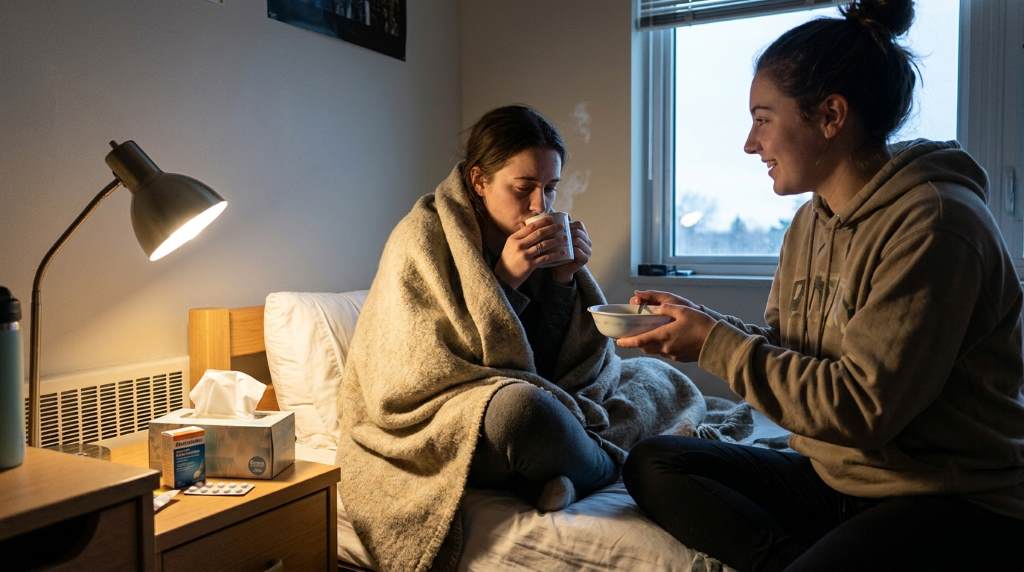
Winter brings unique health challenges across Chicago. Cold weather often increases seasonal illnesses and recovery needs. According to public health data, respiratory infections rise during colder months. Additionally, many residents spend more time indoors during winter. As a result, community support becomes very important. Many people also seek comfort foods and wellness habits, including asking whether is chicken broth good for immune system support during recovery. Understanding local recovery practices helps families stay healthier throughout the season.
Why Recovery Support Matters During Chicago Winters
Chicago winters often bring freezing temperatures and strong winds. These conditions can stress the body and weaken energy levels. As a result, recovery from illness may take longer. Therefore, supportive habits become essential during the cold season.
Many residents face seasonal colds, flu, and respiratory concerns. Indoor gatherings also increase exposure to common viruses. Consequently, families focus on prevention and recovery together. Community involvement often strengthens these efforts.
Healthcare providers frequently encourage rest and hydration. However, social support also plays a significant role. Friends and neighbors often assist vulnerable individuals. This practical help improves comfort and recovery outcomes.
Community Networks That Help Residents Recover
Chicago neighborhoods often maintain strong community connections. Residents regularly check on elderly neighbors during winter months. Furthermore, local organizations coordinate assistance programs. These efforts help people recover safely at home.
Volunteer groups deliver groceries and essential supplies. This support reduces exposure to harsh outdoor conditions. As a result, recovering individuals can focus on healing. Many communities continue these programs throughout winter.
Local churches, civic groups, and nonprofits also contribute. They provide meals, transportation, and wellness resources. Similarly, neighborhood social media groups organize assistance quickly. Community care remains a powerful recovery tool.
Neighborhood Wellness Initiatives
Many Chicago communities host seasonal wellness events. These programs share information about cold weather health risks. Additionally, residents learn practical recovery strategies. Educational outreach strengthens local health awareness.
Some neighborhoods organize meal support programs. Families often prepare nutritious dishes for recovering residents. For example, hearty soups and balanced meals provide comfort. These traditions continue across many areas.
The Role of Nutrition During Recovery
Proper nutrition supports the body’s healing process. Winter recovery often requires nutrient-rich meals and hydration. Therefore, many Chicago households prioritize wholesome foods. Balanced nutrition helps maintain strength and energy.
Protein, vegetables, fruits, and warm fluids remain popular choices. These foods help support daily wellness goals. Additionally, many families prepare homemade comfort meals. Nutritious options often encourage consistent eating habits.
Families also explore flavorful home cooking during recovery. Some enjoy dishes inspired by guides like firecracker beef recipe guide ideas for variety. While recovery meals should remain balanced, enjoyable flavors encourage healthy eating. Consequently, people maintain better nutrition during illness.
Parents often focus on simple meals for children. Nutritious options support energy and overall wellness. Some households use recipes such as healthy baked chicken thigh meals for family dinners. These choices offer practical support during recovery periods.
How Families Support Recovery at Home
Family members often become primary caregivers during winter illnesses. They assist with meals, medications, and household tasks. As a result, recovering individuals experience less stress. Reduced stress can support overall well-being.
Many households establish recovery-friendly environments. Warm rooms, comfortable bedding, and adequate hydration help greatly. Furthermore, quiet surroundings encourage quality rest. Rest remains a key part of recovery.
Families also monitor symptoms and health changes. Early attention helps prevent complications from developing. Therefore, communication remains very important. Prompt action often leads to better outcomes.
Creating a Recovery Space
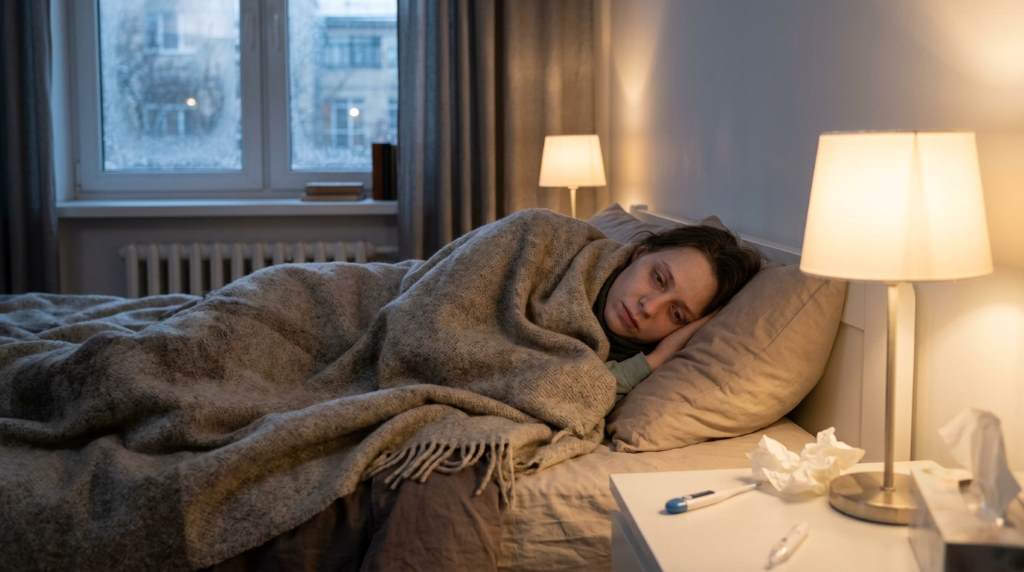
A dedicated recovery area improves comfort significantly. Residents often choose rooms with good airflow and warmth. Additionally, easy access to water and supplies helps. Small adjustments can make recovery easier.
Many people keep tissues, medications, and blankets nearby. This setup reduces unnecessary movement during illness. Consequently, energy remains focused on healing. Organization improves daily comfort.
The Importance of Indoor Air Quality
Cold weather encourages people to stay indoors longer. However, indoor air quality can affect recovery. Therefore, Chicago residents often focus on cleaner indoor environments. Good air quality supports respiratory comfort.
Regular ventilation helps reduce indoor pollutants. Even brief periods of fresh air circulation can help. Additionally, air purifiers may improve indoor conditions. Cleaner air often supports better comfort.
Dust and allergens can worsen respiratory symptoms. As a result, many households increase cleaning routines. Consistent maintenance creates healthier living spaces. These efforts support recovery throughout winter.
Unique Chicago Recovery Traditions During Winter
One overlooked recovery habit involves neighborhood food sharing. Many Chicago families exchange homemade soups and meals. This tradition offers both nutrition and emotional support. It remains common in several communities.
Another unique practice involves winter wellness check-ins. Residents often call neighbors during severe weather periods. Consequently, isolated individuals receive support and encouragement. This simple action strengthens community health.
Some apartment buildings maintain informal support networks. Neighbors assist with errands for recovering residents. Furthermore, they help during snowstorms and icy conditions. These local traditions rarely appear in health discussions.
Staying Active While Recovering
Physical activity requires careful balance during recovery. Excessive exertion can delay healing. However, gentle movement often supports circulation. Therefore, residents follow healthcare guidance closely.
Light stretching and short walks may help some individuals. These activities can reduce stiffness from prolonged rest. Additionally, movement supports mental well-being. Each person should progress carefully.
Chicago residents often use indoor spaces for light activity. Community centers sometimes provide safe environments. Consequently, people remain active despite harsh weather. Indoor options become valuable during winter.
Mental Health Support During Cold Season Recovery
Winter recovery affects emotional health as well. Short daylight hours may influence mood and motivation. Therefore, mental wellness deserves attention. Emotional support improves overall recovery experiences.
Family conversations and social connections help greatly. Regular contact reduces feelings of isolation. Additionally, supportive relationships encourage positive habits. Connection remains an important recovery resource.
Many residents also practice mindfulness and relaxation techniques. These habits help manage stress during illness. Consequently, recovery often feels more manageable. Small routines create meaningful benefits.
Preparing Before Illness Occurs
Preparation helps families respond effectively during winter illnesses. Many residents create seasonal wellness plans. These plans include supplies, medications, and emergency contacts. Early preparation reduces unnecessary stress.
Households often stock nutritious foods before severe weather arrives. This approach ensures access to recovery meals. Furthermore, it limits difficult outdoor trips. Planning improves convenience during illness.
Many families also review healthcare resources annually. Knowing where to seek help saves time. Therefore, preparation supports faster responses when needed. Readiness remains a valuable winter strategy.
Practical Recovery Tips Used by Chicago Residents
- Stay hydrated throughout the day.
- Prioritize consistent and quality sleep.
- Eat balanced meals with adequate protein.
- Maintain comfortable indoor temperatures.
- Check on elderly family members regularly.
- Improve indoor air quality when possible.
- Follow healthcare recommendations carefully.
- Seek support from neighbors and community groups.
How Local Organizations Contribute
Chicago organizations provide valuable seasonal support services. Many assist seniors and vulnerable residents during winter. Additionally, food assistance programs help families maintain nutrition. Community resources improve recovery opportunities.
Public libraries, nonprofits, and community centers also contribute. They distribute educational materials and wellness information. Consequently, residents gain practical knowledge. Better information supports healthier decisions.
Local partnerships often strengthen outreach efforts. Different groups work together to serve neighborhoods. Therefore, support reaches more residents effectively. Collaboration improves community resilience.
Conclusion
Chicago residents support recovery during cold season through strong community connections, practical caregiving, and healthy habits. Families, neighbors, and local organizations all contribute meaningful assistance. Additionally, nutrition, indoor comfort, and emotional support strengthen recovery outcomes. These combined efforts create healthier winter experiences across the city. Start preparing your household today and build a recovery plan that supports wellness throughout every cold season.
FAQs
How do Chicago residents help neighbors recover during winter?
Many residents provide meals, groceries, wellness checks, and transportation assistance.
Why is nutrition important during cold season recovery?
Nutritious foods help support energy levels and overall healing processes.
How can indoor air quality affect recovery?
Cleaner indoor air may improve comfort and reduce respiratory irritation.
What makes Chicago recovery support unique?
Neighborhood meal sharing and wellness check-ins remain valuable local traditions.
How can families prepare for winter illnesses?
They can stock supplies, organize resources, and create recovery plans in advance.